In This Article
For families of children with spastic cerebral palsy, muscle stiffness can make everyday movement difficult. Walking, standing and changing position may require considerable effort.
Selective dorsal rhizotomy, commonly called SDR, is a surgical option that can reduce lower-limb spasticity in carefully selected children. Understanding its potential benefits—and the rehabilitation it requires—helps families have a more informed conversation with their child’s clinical team.
What Is Selective Dorsal Rhizotomy?
SDR is an operation that reduces the nerve signals contributing to excessive muscle tightness. During surgery, a specialist neurosurgeon identifies and divides selected sensory nerve rootlets involved in the overactive reflexes that cause spasticity.
The aim is a lasting reduction in spasticity. SDR does not repair the original brain injury or cure cerebral palsy, and reducing muscle tone does not automatically produce stronger muscles or independent walking. Children’s Health Queensland
What Are the Potential Benefits of SDR?
The benefits of selective dorsal rhizotomy depend on the child’s movement pattern, strength, underlying condition and rehabilitation plan.
Reduced Muscle Stiffness
The central goal of SDR is to reduce spasticity. For an appropriately selected child, less stiffness can make movement easier to practice and reduce the resistance experienced during movement.
Improved Walking Ability
Some children may develop a more effective walking pattern following SDR and rehabilitation. NICE recommends considering the procedure to improve walking in children and young people with spasticity at Gross Motor Function Classification System—GMFCS—levels II or III.
GMFCS describes a child’s usual movement abilities. It is one part of an assessment, rather than a stand-alone test of suitability. NICE: Spasticity in Under 19s
Progress Toward Individual Functional Goals
The useful question is: Which everyday activities could become easier for this child?
Goals might relate to walking with support, standing, transfers or participation. Families should ask the surgical team to distinguish the expected reduction in stiffness from the likely improvement in function. Nationwide Children’s Hospital describes SDR as an option within specialist care for children with spasticity. Nationwide Children’s Hospital
Opportunities to Practice New Movement Patterns
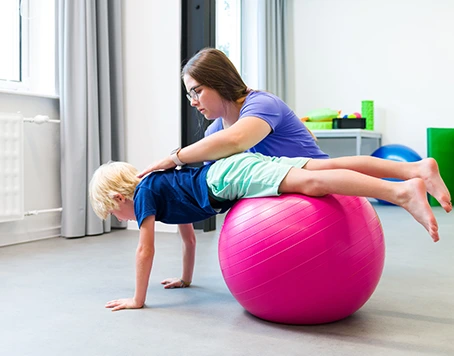
After spasticity is reduced, physiotherapy helps the child build strength and learn movement patterns. Children may continue to need walking aids, orthoses or other support. Later orthopedic treatment may still be necessary. Children’s Health Queensland
Who May Be Suitable for SDR?
SDR suitability should be assessed by a multidisciplinary team with expertise in cerebral palsy and spasticity.
The discussion should consider the child’s current movement, realistic goals, alternative treatments and the family’s ability to access prolonged rehabilitation. The team must also explain that the procedure is irreversible and that long-term outcomes remain uncertain for an individual child. NICE guidance
An SDR consultation should leave the family with a clear explanation of why surgery is—or is not—being recommended.
Why Is Physiotherapy After SDR So Important?
SDR changes muscle tone; rehabilitation addresses how the child moves afterward.
Reduced spasticity can reveal underlying weakness. Recovery therefore involves sustained work on strength, coordination and functional movement. The pace of progress varies, and families should plan for a prolonged rehabilitation commitment. Children’s Health Queensland
Before surgery, ask for a written plan covering:
When rehabilitation begins and who coordinates it.
Expected therapy frequency and home activities.
Equipment and mobility support.
Progress reviews and communication with the surgical team.
Arrangements after returning home from overseas surgery.
What Risks Should Families Understand?
SDR is irreversible. Potential complications include changes in sensation, weakness, deterioration in walking or bladder function, and later spinal deformity. Further surgery may be needed.
The surgical team should explain how these risks apply to the child and how they compare with other spasticity-management options. NICE: SDR recommendations
Seeking an SDR Second Opinion in Riyadh
A second opinion can help families understand suitability, expected benefits and the practical demands of recovery before making a decision.
HOPE AMC’s International Second Opinion service includes coordination of specialist input for SDR through Nationwide Children’s Hospital. This is a consultation and second-opinion pathway; the operation is undertaken by the treating surgical hospital.
For families considering surgery overseas, discussing local rehabilitation arrangements early can help make the care plan more practical.
Frequently Asked Questions
Does SDR cure cerebral palsy?
No. SDR addresses spasticity. It does not remove the underlying neurological condition.
Will my child walk independently after SDR?
Independent walking cannot be promised. Ask the team to explain the most realistic goals for your child’s current abilities.
Can SDR replace physiotherapy?
No. Prolonged physiotherapy and aftercare are central to the treatment pathway. NICE guidance
What should I prepare for a second opinion?
Ask the coordinating team which clinical reports, imaging, therapy assessments and movement videos the specialist needs.
Discuss Your Child’s Next Step
If you are considering selective dorsal rhizotomy, contact HOPE AMC to inquire about an SDR second opinion and discuss your child’s assessment and rehabilitation needs.
Enquire About an SDR Second Opinion
This article provides general information. A specialist assessment is needed to determine whether SDR is appropriate for an individual child.
Concerned about your child’s development?
Book an assessment and take the first step towards the right care for your child.